Patient Groups in Family Medicine: Insights from the Third FMER-PRAM Crossroad Panel Discussion
On June 12, 2026, the McGill Family Medicine Education Research (FMER) Group and Participatory Research at McGill (PRAM) Group welcomed researchers, educators, clinicians, learners, and community members to the third FMER-PRAM Crossroad Panel Discussion, held at the McGill Faculty Club and Conference Center in Montréal.
Entitled Patient Groups in Family Medicine: Opportunities for Care and Implications for Medical Education, the event brought together diverse perspectives to explore an increasingly important topic in family medicine. Through scholarly discussion, practical insights, and audience engagement, participants examined how patient groups can contribute to patient care, professional learning, and innovation in primary care practice.
Facilitated by Dr. Anne Cockcroft and Dr. Charo Rodriguez, the panel featured four speakers whose expertise spanned clinical practice, participatory research, leadership development, facilitation, and health policy. Together, they explored the opportunities and challenges associated with implementing group-based approaches in family medicine and reflected on their implications for healthcare delivery and medical education.
Panelists

Neil Andersson, MD, PhD
Professor
Dept of Family Medicine
McGill University

Gary Bloch, MD, CCFP, FCFP
Associate Professor
Dept of Family and Community Medicine
University of Toronto
Drawing on current scientific evidence, Dr. Andersson introduced the concept of patient groups, focusing on their neurobiological and participation-based foundations. He outlined core requirements for implementation in family medicine and examined both the opportunities and structural challenges associated with integrating patient groups into practice.
Dr. Bloch grounded the discussion in clinical reality. As a practicing family physician with direct experience using patient groups, he shared practical insights on implementation, patient engagement, and the day-to-day considerations that shape feasibility in primary care.

Joan Butterworth, MEd
Leadership Program Facilitator
Student Services
McGill University
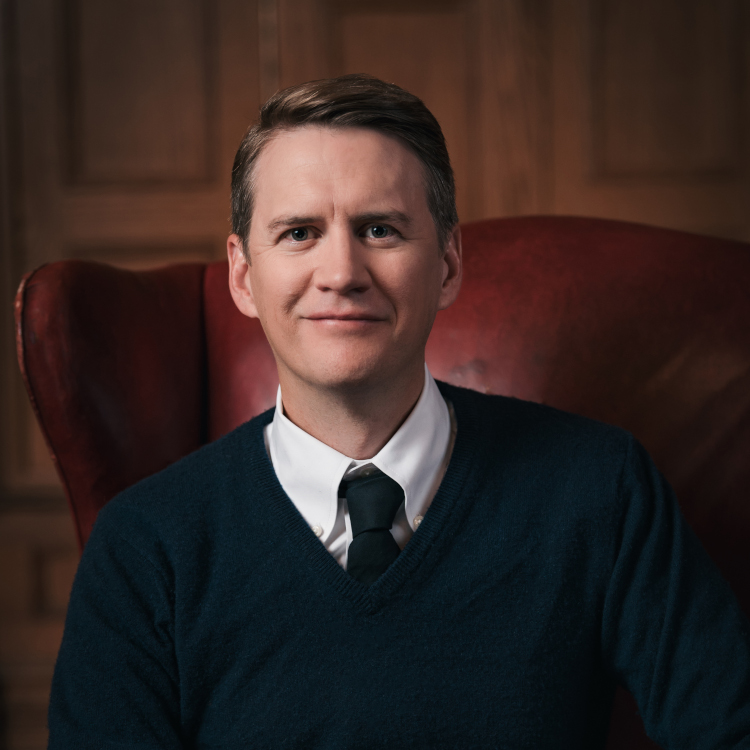
Keith Todd, PhD, MDCM, CCFP
Assistant Clinical Professor
Dept of Family Medicine
McGill University
Joan Butterworth, a leadership training facilitator at McGill University, lead the interactive component of the session. She guided structured small-group discussions focused on applying the panel’s concepts to practice and education, supporting engagement, reflection, and translation into real-world settings.
Dr. Todd examined the educational implications of patient groups for family medicine training. His focus was on integrating participation-based care models into postgraduate education and continuing professional development, with attention to curriculum design and competency development.
Discussion focused on the potential of patient groups to foster connection, mutual support, shared learning, and patient engagement. At the same time, panelists emphasized the importance of effective facilitation, organizational support, and thoughtful implementation. Participants also examined how medical education can better prepare future family physicians to work within collaborative and participatory models of care.
An important theme throughout the discussion was the relationship between participation science, research, education, and clinical practice. Speakers highlighted the value of involving patients and communities in knowledge generation and healthcare improvement efforts, while recognizing the practical realities of translating these approaches into everyday practice.
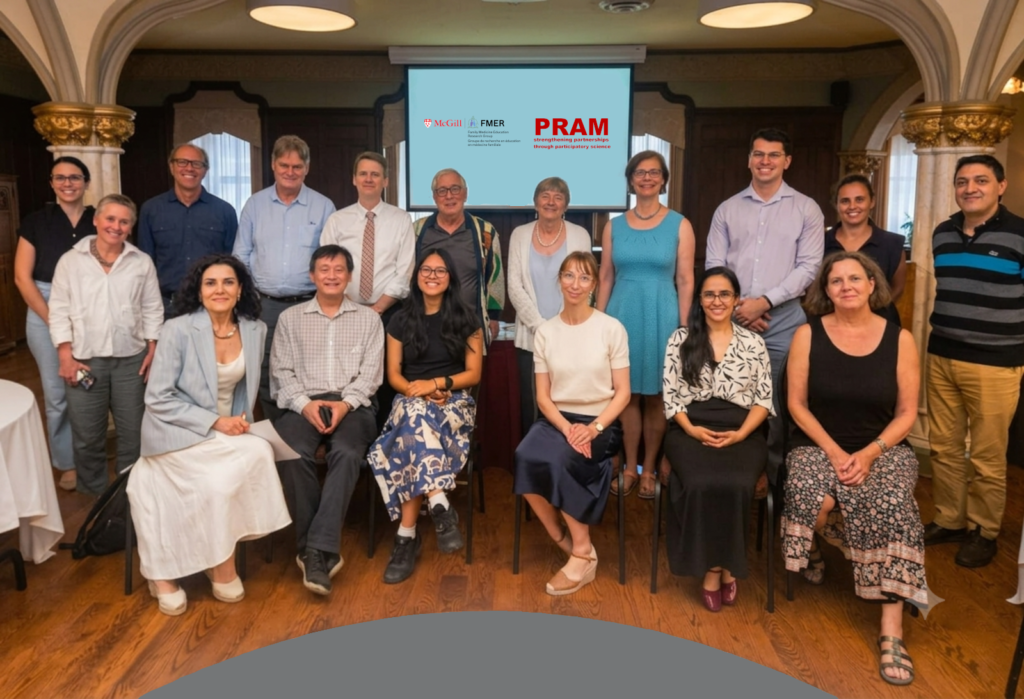
The audience engagement session generated thoughtful questions and lively discussion about implementation challenges, opportunities for innovation, and the future role of patient groups within Canadian healthcare. While patient groups appear an interesting avenue in the Canadian healthcare context, panelists agreed that they will never substitute the one-to-one interaction between a patient and a family doctor.
The positive response from attendees reflected both the relevance of the topic and the value of creating spaces for interdisciplinary exchange. The FMER Group remains committed to fostering dialogue that advances family medicine education, research, and practice, and looks forward to future collaborations that continue to strengthen patient-centred care.
0 Comments